Ink Stained Script Junk Journal Paper: A Designer's Guide
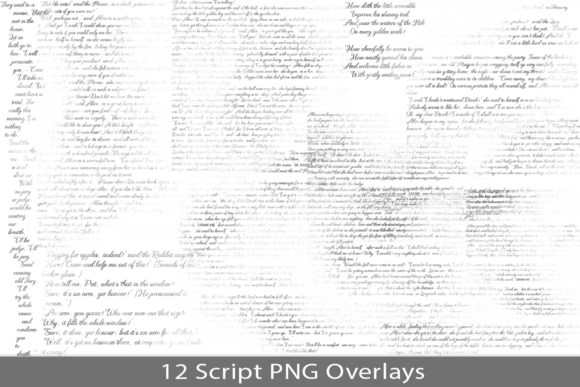
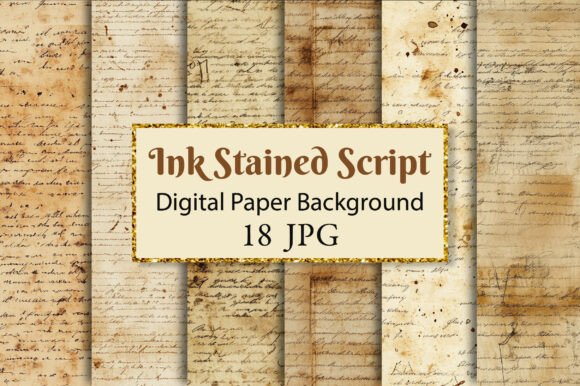
Every designer knows the challenge of finding a texture that instantly adds depth, history, and character to a digital project. The Ink Stained Script Junk Journal Paper collection offers precisely that—a versatile set of digital assets that bridges the gap between vintage charm and modern design workflows. This set of 18 unique, high-resolution papers provides an authentic, handcrafted aesthetic that can elevate branding, marketing materials, and creative projects with a single, impactful layer.
Why Textured Backgrounds Matter in Visual Design
In a digital landscape saturated with clean vectors and flat colors, a subtle, organic texture can make your work stand out. Textures like ink-stained script paper introduce visual hierarchy and a tactile quality that guides the viewer's eye. They create a sense of authenticity and craftsmanship, which is invaluable for brands aiming to convey a story, heritage, or artisanal quality. This particular style, with its faint script and ink marks, suggests a narrative before a single word of copy is read, making it a powerful tool for visual communication and establishing a unique brand identity.
Practical Applications for Modern Creators
The true value of a creative asset lies in its flexibility. The Ink Stained Script Junk Journal Paper, with its standard 12"x12" size and 300 dpi resolution, is designed for seamless integration into professional workflows. Here’s how you can leverage it:
- Branding & Logo Design: Use it as a background for mood boards, or as a texture overlay within logo presentations to add warmth and context.
- Social Media & Digital Marketing: Create eye-catching posts, story backgrounds, and banner graphics that stop the scroll with their unique, handcrafted feel.
- Web & UI Design: Apply it sparingly as a section background or header texture in web design to break visual monotony and enhance user experience with depth.
- Print & Packaging: Ideal for packaging design, invitations, birth announcements, and print design projects like wedding suites or boutique product labels.
- Editorial & Presentation Design: Transform the look of reports, lookbooks, or slide decks, making editorial layouts and professional presentations more engaging.
Integrating Texture into Your Design Workflow
Effective use of textured assets requires a thoughtful approach. To ensure the Ink Stained Script paper enhances rather than overwhelms your work, consider these design principles:
- Maintain Visual Hierarchy: Use the texture as a background layer. Ensure your primary text and graphic elements have sufficient contrast and legibility. Lowering the texture's opacity can help it recede.
- Align with Brand Aesthetics: Does the vintage, script style complement your existing color palette and typography? It works exceptionally well with serif or hand-lettered fonts for a cohesive, story-driven look.
- Focus on Scalability: The high-resolution JPEG format ensures the texture remains crisp even when resized for large print design or detailed digital work, a critical factor in design workflow efficiency.
- Combine with Modern Elements: Create compelling contrast by pairing the organic texture with clean, geometric shapes, modern sans-serif fonts, or bold color blocks. This fusion is a hallmark of contemporary design trends.
Ultimately, the choice of creative assets defines the quality of your output. A resource like the Ink Stained Script Junk Journal Paper is more than just a background; it's a tool for storytelling. By thoughtfully integrating such textures, designers and creators can produce work that is not only visually polished but also emotionally resonant, strengthening brand communication and leaving a lasting impression on any audience.