Elegant Script Number Four: A Designer's Guide
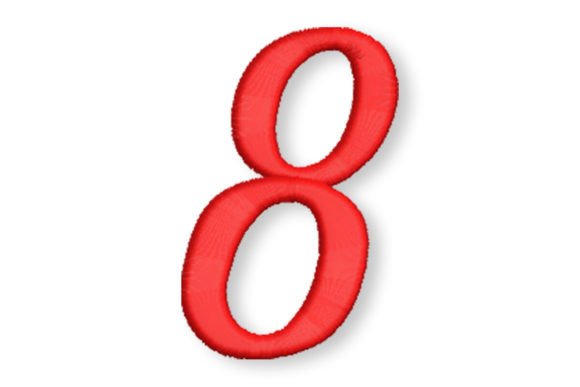
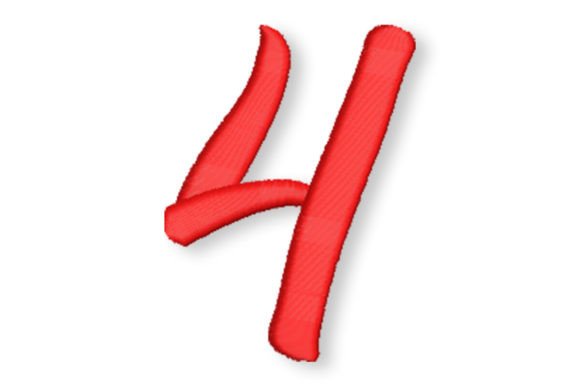
In the world of typography, a single character can set the tone for an entire project. The choice between a stark sans-serif and a flowing script is more than aesthetic—it's a strategic decision in visual communication. For designers seeking a blend of elegance and personality, the Script Number Four font offers a distinctive solution that can elevate branding, editorial layouts, and digital marketing materials with its sophisticated charm.
This particular Script Embroidery Font Number Four transcends digital applications. It comes as a versatile machine embroidery design, available in multiple file formats to ensure compatibility with a wide range of embroidery machines. This makes it an invaluable asset not just for graphic designers working on screen, but also for textile artists, apparel decorators, and creators working on physical products where typography meets tactile craft.
The Role of Script Fonts in Modern Branding
Script fonts like Script Number Four are powerful tools for establishing a brand's voice. They evoke a sense of tradition, craftsmanship, and personal touch, which can be crucial for businesses in the luxury, wedding, artisanal, or lifestyle sectors. When integrated into a brand identity system, a well-chosen script font can differentiate a logo, add warmth to packaging design, and create an immediate emotional connection with the audience.
However, the key to effective use lies in balance and context. A script font should complement, not overwhelm, a design's visual hierarchy. It often works best for headlines, logos, or accent text, paired with a clean, legible typeface for body copy to maintain readability and professional presentation.
Practical Applications Across Design Disciplines
The utility of a resource like the Script Embroidery Font Number Four spans numerous creative projects. Its dual nature as both a digital typeface and an embroidery file format opens up a world of possibilities for consistent branding across mediums.
- Logo & Brand Identity: Use the font to craft distinctive wordmarks for boutiques, bakeries, or personal brands where a handcrafted feel is desired.
- Marketing Materials: Apply it to invitations, thank-you cards, and promotional flyers to add a layer of elegance and personality.
- Social Media Graphics: Create eye-catching Instagram stories, Pinterest pins, or Facebook headers that stand out in a crowded feed with beautiful typography.
- Editorial & Web Design: Employ it for magazine pull quotes, website hero sections, or UI accents to guide the user's eye and enhance the user experience.
- Packaging & Merchandise: Translate digital designs onto physical products. The embroidery file format allows for direct application on apparel, tote bags, and home decor, ensuring brand consistency from screen to stitch.
Tips for Selecting and Using Typography Effectively
Integrating any new font or design asset requires a thoughtful approach to ensure it strengthens your project's goals. Consider these factors when working with script fonts:
- Context and Audience: Ensure the font's style aligns with your target audience's expectations and the project's tone. A formal script suits a wedding invitation but may feel out of place on a tech startup's website.
- Readability and Scalability: Test the font at various sizes. A script that is beautiful in a logo may become illegible when used for small body text or scaled down for a mobile UI.
- Visual Harmony: Pair it with complementary typefaces. A high-contrast combination often works best—like a flowing script with a geometric sans-serif—to create a clear visual hierarchy and guide the viewer's attention.
- Color and Composition: The font's personality can be amplified or muted by your color palette and layout. A monochromatic scheme can feel sophisticated, while a bold color can make it more playful and modern.
Ultimately, the strength of any creative asset, from a premium font to an embroidery-ready design, lies in its thoughtful application. Resources like Script Number Four provide designers and creators with the tools to craft more compelling narratives, build stronger brand identities, and produce professional, high-quality work that resonates across both digital and physical landscapes. By prioritizing consistency, context, and clarity, you can transform typography from a mere element into a central character in your visual story.